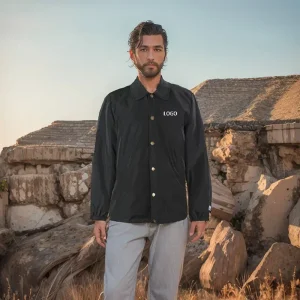
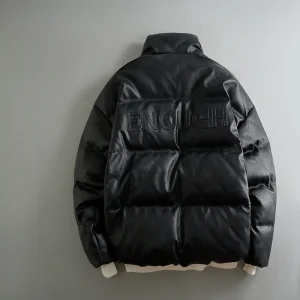
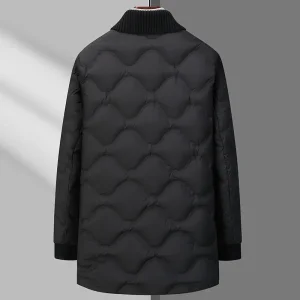
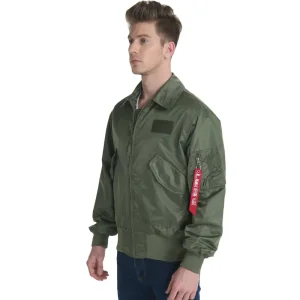
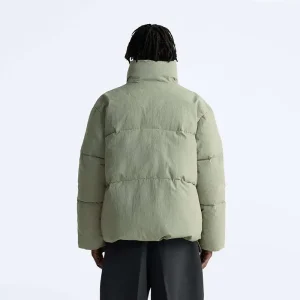
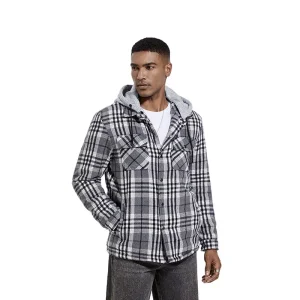
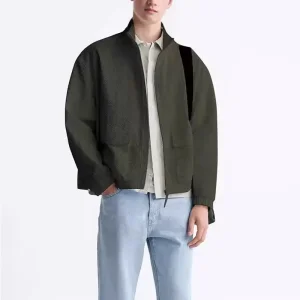
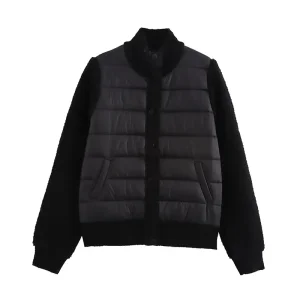
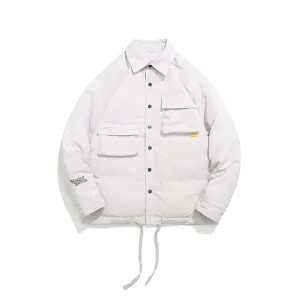
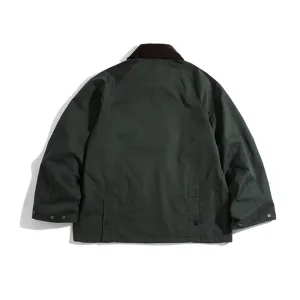
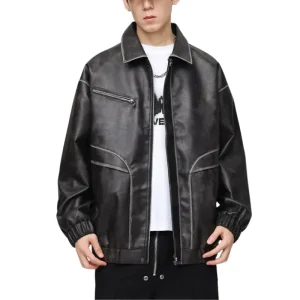
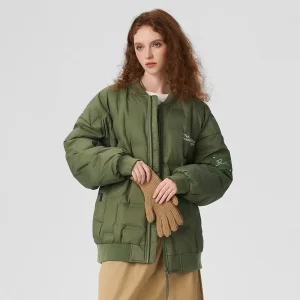
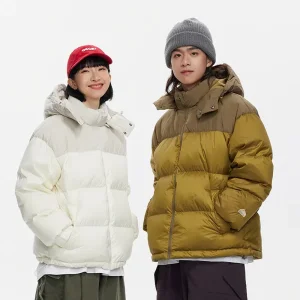
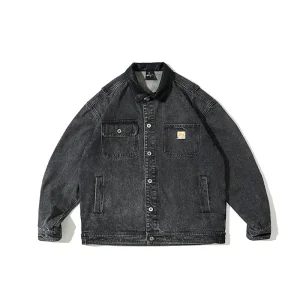
The global market for children’s outerwear, particularly boys' jackets, has undergone a paradigm shift over the last decade. As we analyze the industry through the lens of semantic search and consumer intent, it is clear that modern B2B buyers are no longer merely looking for "garments." They are searching for integrated supply chain solutions, sustainable production methodologies, and technical performance fabrics.
Industry Evolution: From fast-fashion volume-driven production to high-value, durable, and weather-adaptive gear. Manufacturers like Shanghai Zhongda Wincome are at the forefront of this, leveraging massive production capabilities (established in 2003) to deliver on the promise of "Quality First." The shift is clear: consumers want jackets that last, and brands need manufacturers who understand both the aesthetic and functional nuances of children's apparel—a category demanding higher safety standards and specialized sizing ergonomics.
Future-ready manufacturing isn't just about stitching fabric. It involves:
With nearly 400 employees and ranking 36th in the national textile export industry, Shanghai Zhongda Wincome provides more than just manufacturing; we provide strategic partnerships.
Years Established
Specialized Factories
Square Meters
Employees
Our process is engineered for reliability. We bridge the gap between design and physical product through a meticulous, standard operating procedure (SOP).
*This SOP ensures that whether you are producing boys' heavy-duty parkas or lightweight windbreakers, the consistency remains industry-leading.*
It's defined by material safety (avoiding toxic dyes/heavy metals), durability of hardware (zippers/buttons safe for children), and the ability to grade patterns accurately for different growth stages.
We combine our design team's market trend research with client-specific requirements. Whether it's a proprietary colorway or specific waterproof ratings (e.g., 5000mm+), we provide full OEM/ODM support.
Yes. As a top-tier exporter, we actively source eco-friendly fabrics and optimize production to reduce waste, meeting international compliance standards required by markets like Australia, USA, and the EU.
 Zhongda Wincome