Choosing the right Windbreaker Jacket can be a challenge. With so many options available, it’s easy to feel overwhelmed. Various factors play a role in making a decision. Understanding your needs is crucial.
Consider the intended use of the jacket. Is it for daily wear or outdoor adventures? Lightweight options are great for casual use. On the other hand, insulated jackets provide warmth for colder days. Think about the climate you live in.
Material is another key factor. Breathable fabrics are essential for comfort during physical activities. Look for water-resistant options if you expect rain. Keep in mind that not all jackets are created equal. Some brands excel in quality. Researching customer reviews can provide insights into reliability.
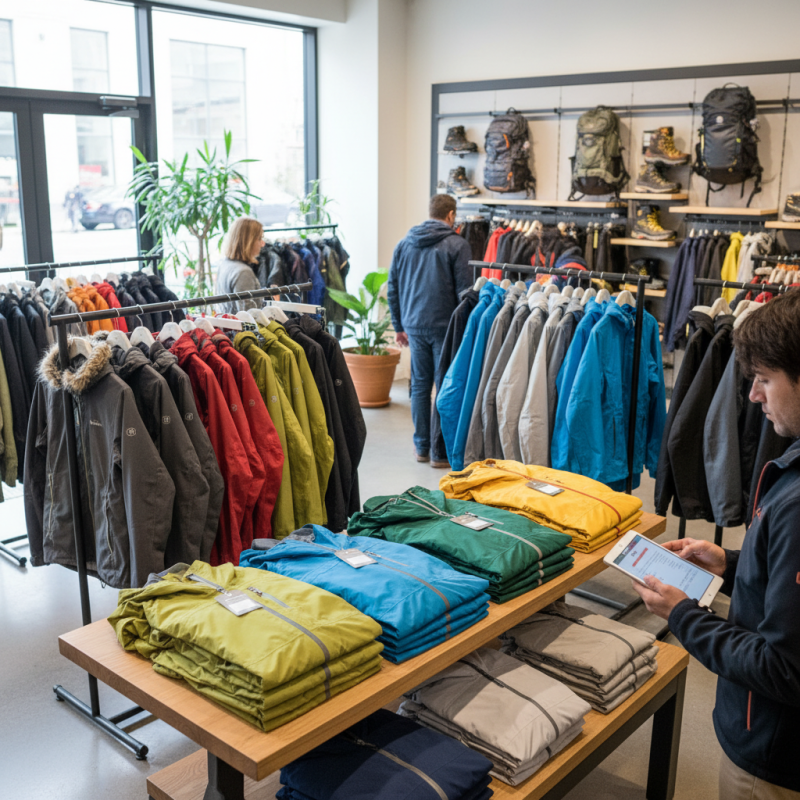
When exploring the various types of windbreaker jackets, it's essential to understand their key features. Lightweight models are designed for easy packing and quick use. Ideal for short trips, these jackets offer minimal insulation but effective wind resistance. Statistics show that lightweight jackets account for approximately 40% of windbreaker sales. Their versatility makes them popular among outdoor enthusiasts.
Another category is the insulated windbreaker. These jackets incorporate additional layers to trap warmth while blocking the wind. According to a recent study, insulated options are favored by 25% of consumers for activities in colder weather. Users often report that while these jackets provide comfort, some may feel bulkier. It's crucial to try them on and assess fit and mobility.
Finally, hybrid windbreakers combine materials for enhanced performance. They often feature water-resistant fabrics and breathable panels. Hybrid jackets represent about 35% of the market yet may require more attention when choosing the right one. Users sometimes express that certain styles don’t meet specific needs as expected, highlighting the importance of personal preference in making a choice.
When selecting a windbreaker jacket, focus on key features that meet your outdoor needs. Start with the material. A good windbreaker should be lightweight yet durable. Look for options that use nylon or polyester for optimal performance. Breathability is essential. A well-ventilated jacket keeps you cool while blocking wind. Check for mesh lining or ventilation openings to help airflow.
Next, consider the fit. A well-fitting windbreaker allows for movement. It should not feel restrictive. Adjustable cuffs and hems provide added comfort. Think about pockets too. External pockets are handy for storing essentials, while internal pockets keep items secure. Waterproof coatings can enhance functionality. These prevent moisture from soaking through and keep you dry.
Finally, think about portability. A packable jacket is a practical choice. It folds into a compact size, making it easy to carry in a backpack. Reflect on how you plan to use the jacket. Different activities may require varying features. Researching user reviews can provide insight into real-world performance. This helps you make a more informed choice.
When choosing a windbreaker jacket, consider the material carefully. Lightweight nylon and polyester are common choices. They provide excellent protection against wind and light rain. However, the breathability of the fabric is crucial for comfort. A jacket that traps heat can make you feel clammy. Look for options with mesh lining or ventilation openings. This feature improves airflow and keeps you comfortable during outdoor activities.
The fit of the windbreaker also plays a role in breathability. A loose jacket allows for better airflow, while a snug fit may restrict it. Think about your activities. Running might require a more fitted design, while casual walks can accommodate a wider cut. You may find that some styles look good but lack functionality. It’s essential to prioritize practicality over fashion.
Check for additional features. Some jackets offer moisture-wicking properties, enhancing comfort further. Others include adjustable cuffs and hems to trap warmth when needed. Reflective elements can improve visibility during low-light conditions, which is often overlooked. Remember, the best choice should align with your specific needs and preferences. Don’t rush the decision; take time to find what works for you.
When choosing a windbreaker jacket, sizing and fit play a crucial role in ensuring comfort and functionality. According to a 2022 survey by the Outdoor Industry Association, 63% of consumers reported that fit affects their purchase decisions. It's essential to consider various sizing standards, as they can vary significantly between different manufacturers. Knowing your measurements—chest, waist, and arm length—can help narrow down options.
Comfort is key. A well-fitted windbreaker should allow for easy movement and should not restrict your arms or shoulders. Ideal windbreakers often feature adjustable cuffs and hems. A snug yet flexible design will prevent cold air from entering while enabling airflow during active pursuits. Remember, a jacket that feels great in the store may not perform as well during outdoor activities.
Tips: Always try on the jacket with layers you typically wear underneath. This helps ensure a suitable fit during colder conditions. Additionally, pay attention to the fabric's stretch and breathability; these factors contribute to comfort.
Analysts recommend opting for a larger size if you plan to wear additional layers. Many people underestimate the importance of layering, which can significantly impact warmth and mobility. Ensure your choice allows room for a base layer and other clothing underneath.
When considering a windbreaker, budgeting is essential. A quality windbreaker can vary greatly in price. You can find basic options for around $30. However, higher-end models may cost upwards of $150. It's helpful to determine your needs before diving into the purchase.
Evaluate the features that matter most to you. Waterproof capability, breathability, and packability can influence the price. Sometimes, spending a little more can lead to better durability and comfort. Reflect on how often you’ll use it. A low-cost windbreaker may not hold up over time with frequent wear.
Assessing sales and seasonal discounts can also lead to significant savings. Many retailers offer discounts during end-of-season sales. Patience may reward you with a higher-quality item for a lower price. Keep an eye on customer reviews to gauge reliability, as opinions from other users often provide insight into performance.
| Type | Price Range | Features | Recommended Use |
|---|---|---|---|
| Lightweight Windbreaker | $30 - $60 | Water-resistant, Packable, Breathable | Casual wear, Light rain |
| Insulated Windbreaker | $60 - $100 | Insulation, Windproof, Waterproof | Cold weather, Hiking |
| Running Windbreaker | $40 - $80 | Lightweight, Reflective, Stretchable | Running, Jogging |
| Trail Windbreaker | $70 - $120 | Durable, Stretchy, Weather-resistant | Hiking, Trail Running |
| Fashion Windbreaker | $50 - $90 | Stylish, Lightweight, Variety of Colors | Everyday wear, Fashion |
: They are easy to pack and ideal for short trips. They resist wind effectively but provide minimal insulation.
They contain extra layers for warmth, which can affect mobility. It's important to try them on for the right fit.
They combine water-resistant fabrics with breathable panels for enhanced performance. Each style may suit different personal preferences.
A well-fitted jacket allows easy movement. It’s crucial to know measurements for a better fit across different brands.
Always wear layers you typically use. This ensures better fitting during colder conditions and enhances comfort.
Basic models start around $30, while high-end jackets can reach over $150. Assess your needs to determine the best investment.
Yes, seasonal sales can provide significant savings. Patience can lead to a higher-quality item at a better price.
If worn frequently, a cheaper option may not last long. Consider its durability against how often you'll use it.
Features like waterproofing, breathability, and packability can affect pricing. Assess what features are essential to you.
Layering significantly impacts warmth and mobility. Ensure your jacket accommodates a base layer and additional clothing comfortably.
When choosing the best Windbreaker Jacket for your needs, it’s essential to understand the different types available, as they vary in style and functionality. Key features to consider include waterproofing, insulation, and pockets, which can enhance your experience depending on your intended use.
Additionally, evaluating the material and breathability of the jacket is crucial for comfort during various weather conditions. Sizing and fit play a significant role in ensuring ease of movement, while understanding your budget and price range will help you find a quality windbreaker without overspending. By weighing these factors carefully, you can make an informed decision that meets your outdoor activity requirements.

Zhongda Wincome