As we look ahead to 2026, the children’s fashion industry is poised for exciting transformations, particularly in the realm of Kids Jackets. Renowned industry expert, Emily Johnson, emphasizes, “The right Kids Jacket can make or break a child's winter experience.” Her insight reflects the growing demand for stylish yet functional outerwear.
Children's jackets are not just about warmth; they represent individuality and style. Parents often seek jackets that are durable and trendy. The materials used and the design can significantly influence a child's willingness to wear them. Yet, many brands still struggle to balance aesthetics with practicality.
Experts suggest that innovation in fabric technology will shape the future of Kids Jackets. However, some designs may stray too far from what kids actually want. Balancing function and fashion is essential, and that’s where the industry can improve. This ongoing evolution means that global buyers must remain vigilant in choosing styles that resonate with kids while ensuring quality and comfort.
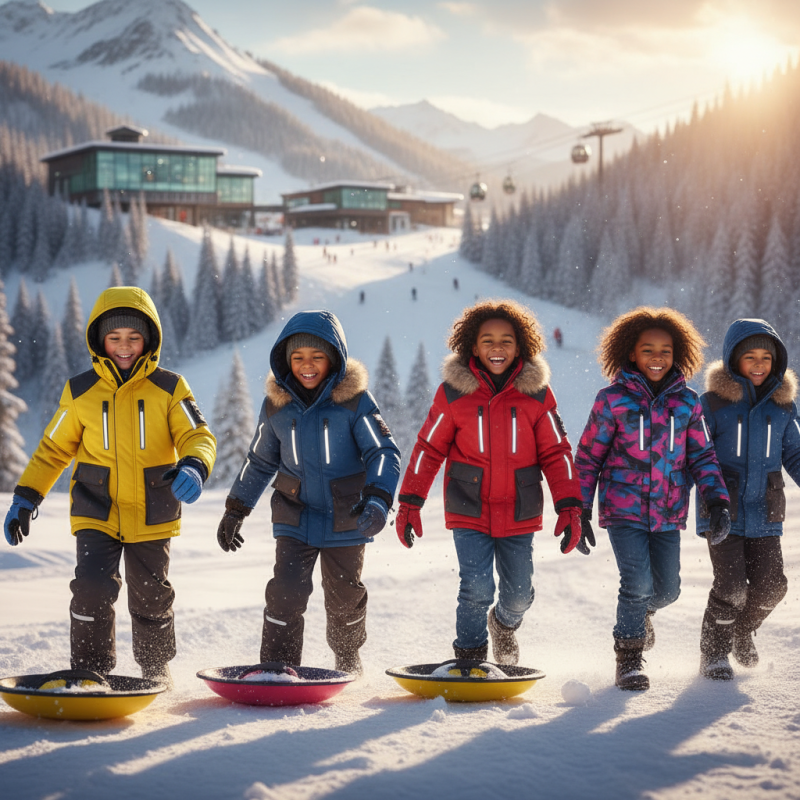
As we look ahead to 2026, the kids' jacket market is evolving frequently. Industry reports indicate that by 2025, the global children's apparel market is projected to reach over $200 billion. This growth highlights a noteworthy demand for stylish and functional jackets. Parents are increasingly seeking clothing that balances durability with aesthetic appeal.
Sustainable materials are becoming an important trend. According to a survey by a leading industry organization, 70% of consumers prefer eco-friendly options for their children. Brands are responding with innovative fabrics that reduce environmental impact. These jackets often feature vibrant colors and playful designs, appealing to both kids and their parents.
However, there are challenges. Many manufacturers struggle with the transition to sustainable practices. This shift requires significant investment in new technologies. The complexity of sourcing eco-friendly materials can also lead to inconsistencies in product quality. Buyers must navigate this landscape carefully, ensuring that they choose jackets that meet both style and sustainability needs. This balance will shape the future of kids' outerwear.
Sustainable materials are changing the landscape of children's outerwear. In 2026, parents increasingly prioritize eco-friendly options. This shift reflects growing awareness of environmental issues. Cotton, recycled polyester, and other sustainable fabrics are becoming popular choices. These materials are soft, durable, and safe for kids.
Manufacturers face challenges when sourcing sustainable textiles. Not every fabric marketed as eco-friendly meets high standards. Transparency in the supply chain remains a critical factor. Parents want to know where and how their children's clothing is made. Certifications and clear labeling can guide their decisions.
Comfort and style are still essential, even for eco-conscious buyers. Children's jackets must withstand active play. They should protect against weather elements while looking trendy. As brands experiment with designs, they often reflect local cultures. Integrating sustainable practices while ensuring quality is not always easy. Ongoing discussions in the industry will continue to shape future offerings.
The kids' jackets market is projected to experience notable growth in 2026. According to a recent market analysis, the segment is expected to increase at a CAGR of over 5%. This growth is attributed to rising consumer awareness regarding functionality and aesthetics in children's apparel. Parents are increasingly looking for jackets that not only offer warmth but also incorporate trendy designs.
Sustainability is influencing purchasing decisions. Reports indicate that 45% of parents prioritize eco-friendly materials. This trend is fueling innovation in fabric technology, with brands exploring organic and recycled materials. Many companies are integrating features like water resistance and breathability into their jackets, enhancing functionality. Despite these advancements, challenges remain. Sizing inconsistencies and varying quality can frustrate parents.
Consumer reviews increasingly emphasize the importance of craftsmanship. A balance between style and practicality is essential. Ultimately, the kids' jackets market in 2026 will reflect these evolving preferences. Brands that adapt by ensuring quality while meeting sustainability goals are likely to thrive in this competitive landscape.
In 2026, kids' jacket styles will reflect diverse regional preferences worldwide. Factors such as climate, culture, and lifestyle influence these choices. For instance, in colder regions, insulated jackets with vibrant designs are popular. These jackets often feature playful patterns that appeal to children.
In warmer climates, lighter materials and breathable designs will dominate. Parents often prefer jackets that are easily packable and versatile. In urban areas, fashion-forward elements will be a key focus. Kids want to emulate trends seen in media, leading to a blend of practicality and style.
Despite these preferences, some issues arise. Sustainability is a growing concern among parents, creating pressure for brands to adopt eco-friendly practices. Many families still find it challenging to balance style, cost, and functionality. Future trends will need to address these complexities while still appealing to young fashionistas.
| Region | Popular Styles | Preferred Materials | Color Trends | Average Price (USD) |
|---|---|---|---|---|
| North America | Puffer Jackets, Denim Jackets | Polyester, Cotton | Bright Colors, Neutrals | 50-70 |
| Europe | Raincoats, Trench Coats | Waterproof Fabrics, Wool | Pastels, Earth Tones | 40-65 |
| Asia | Tech Jackets, Bomber Jackets | Synthetic Fabrics, Nylon | Vibrant Colors, Black | 30-50 |
| South America | Lightweight Jackets, Windbreakers | Cotton, Polyester Blend | Bright and Bold | 25-45 |
| Australia | Fleece Jackets, Casual Jackets | Fleece, Cotton | Neutral Shades, Olive | 35-55 |
The kids jacket market in 2026 shows exceptional growth. Several brands are positioning themselves as leaders, thanks to their innovative designs and sustainable practices. These brands focus on durability and functionality, making them popular among parents. They use advanced materials to create jackets that are both stylish and weather-resistant. Bright colors and playful patterns appeal to children, ensuring they enjoy wearing them.
Experts emphasize the importance of ethical production in this market. Increased consumer awareness drives brands to prioritize sustainability. Parents are looking for reliability in these jackets. They want products that can withstand wear and tear from active play. Many brands invest in technology to improve insulation and breathability, catering to varying climates.
However, there are challenges. Not all brands balance style and durability effectively. Some jackets may look great but fall short in performance. Consumers often report issues with size consistency. This indicates a need for improved quality control. The market can improve by listening to feedback and adapting designs accordingly. Overall, the kids jacket market remains competitive and dynamic, with potential for growth.
: A growing demand for stylish and functional jackets is driving market growth.
Parents prefer eco-friendly options. Sustainable materials are beneficial for the environment.
Sourcing eco-friendly materials can lead to inconsistencies and requires significant investment.
Climate, culture, and lifestyle significantly influence kids' jacket styles in different regions.
Parents should look for quality, style, and sustainability when choosing jackets.
Yes, jackets need to provide comfort and withstand active play while being trendy.
Look for certifications and clear labeling to guide purchasing decisions.
Balancing style, cost, and functionality is often challenging for families.
Yes, designs often incorporate local cultural elements, adding to their appeal.
Kids want to emulate trends seen in media, which drives their fashion choices.
The article "Best Kids Jacket Styles for Global Buyers in 2026" explores emerging trends in children's outerwear, highlighting the growing influence of sustainable materials on purchasing decisions. As consumers become more eco-conscious, the demand for environmentally friendly options is shaping styles and fabrics in the kids jacket market.
Forecasts suggest significant sales growth in this sector, driven by regional preferences that differ worldwide. Understanding these regional variations allows brands to tailor their offerings effectively. The analysis also identifies key players that are set to lead the market in 2026, underscoring the dynamic landscape of kids jackets and the impact of contemporary trends on future developments.

Zhongda Wincome